

As any savvy investor knows, deferring taxes is a key part of building wealth. One effective strategy to build wealth is through a 1031 exchange. And that’s exactly what Section 1031 of the Internal Revenue Code enables business owners and investors to do.
Wealth Building with 1031 Exchange
By completing a 1031 Exchange, the taxpayer can sell an investment property and use all of the equity from the sale to acquire other investment property without having to immediately pay taxes on the capital gains from the property sold.
In other words, a 1031 Exchange helps you accomplish what most investors desire: to buy a new property, build wealth, increase equity, and defer paying capital gains taxes. Of course, the IRS requires that any taxpayer taking advantage of Section 1031 retain the services of an independent Qualified Intermediary (like a trustee) to facilitate the exchange.
The Critical Role of the Qualified Intermediary
A Qualified Intermediary, like WealthBuilder 1031, provides the critical link between the selling of the first property (the Relinquished Property) and the new property being bought (the Replacement Property). We act as a neutral third party to hold the proceeds from the sale of your property and then disburse those funds to purchase your replacement property according to your instructions. This hands-off approach ensures that you won’t run afoul of IRS rules and jeopardize your tax-deferred exchange.
1031 Exchange Rules to Keep in Mind
While there are many benefits to deferring taxes through a 1031 Exchange, investors should also be aware of a few key things before embarking on a 1031 Exchange. First, you must identify your replacement property within 45 days of selling your original property and you must close on that replacement property within 180 days of selling the original property.
You’ll also need to have a clear understanding of the types of property that are eligible for a 1031 Exchange. The IRS prohibits investors from exchanging properties like personal residences, vacation homes, and undeveloped land. But most other types of investment property, including rental houses, commercial buildings, office space, and warehouses are eligible.
Finally, again, it’s important to remember that you can’t complete a 1031 Exchange on your own. You must work with a Qualified Intermediary to ensure that your exchange is completed correctly and in compliance with IRS rules.
At WealthBuilder 1031, we have years of experience helping investors defer taxes through this IRS approved method. If you have questions, we would be happy to answer them and guide you through the process. To speak with one of our Qualified Intermediaries, simply contact us at (888) 508-1901.
Have Questions?
Chat with one of our team members to see if a 1031 Exchange is right for you, (without committing to anything).
Video Resources

Case Studies
January 22, 2026
What Is a 1031 Exchange in Real Estate?
Introduction to 1031 Exchanges A 1031 exchange is one of the most powerful tools available to real estate investors. It allows you to sell investment
Read More
January 5, 2026
What Is a 1031 Real Estate Exchange?
Introduction to the 1031 Real Estate Exchange A 1031 real estate exchange allows investors to defer taxes when they sell an investment property and buy
Read More
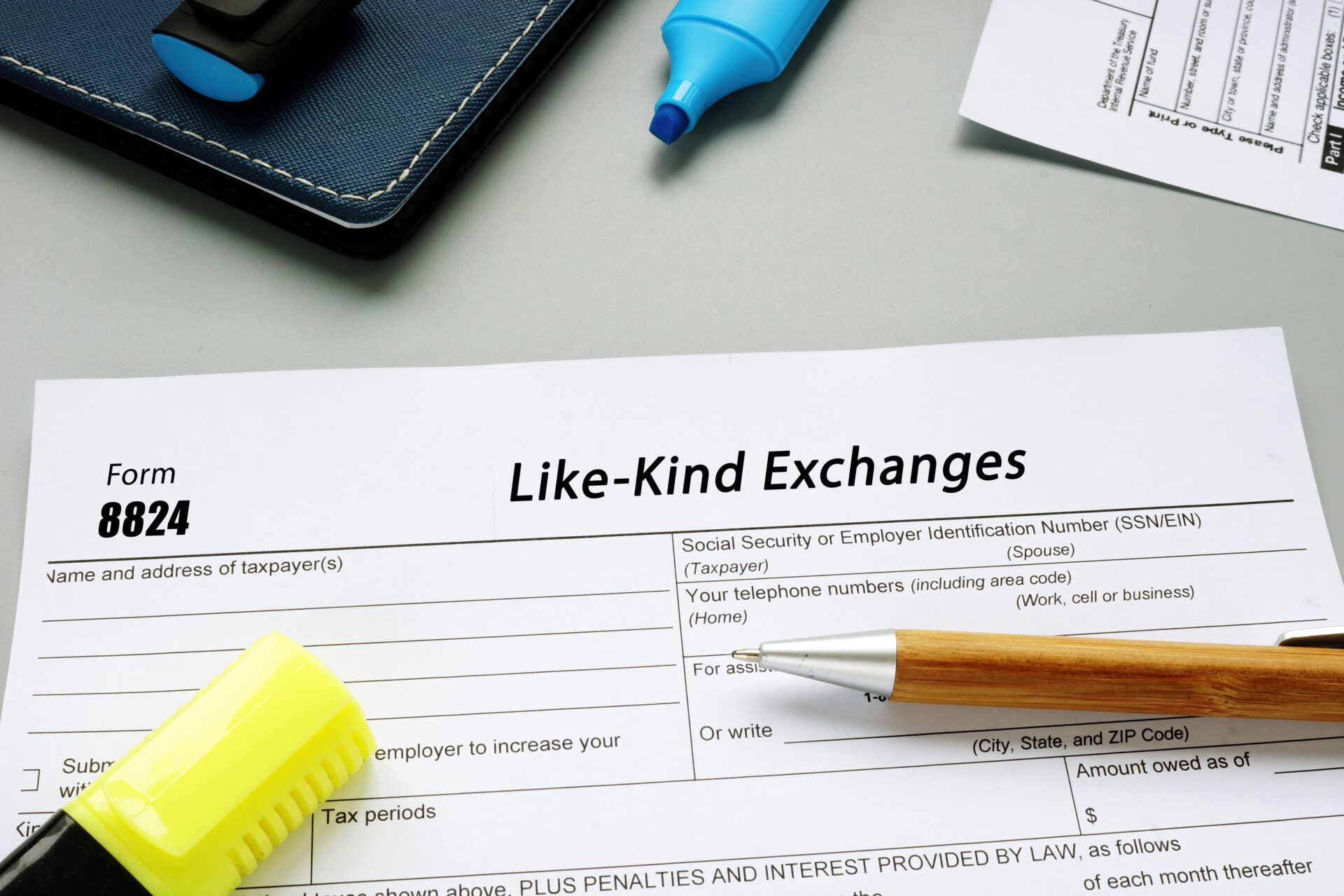
December 12, 2025
What Is a 1031 Tax Deferred Exchange?
Understanding the Basics of a 1031 Tax Deferred Exchange Many investors ask what a 1031 tax deferred exchange is and how it helps them grow
Read More
Get Started Today
It is easy to get started on your exchange. You can either call our office directly at 888-508-1901, or you can fill out our Start Your Exchange form.
Start Your Exchange