

The 1031 exchange is a robust tax-saving mechanism for investors, but its benefits come with strict timelines. What happens when an unexpected delay throws a wrench in the works? Let’s explore the implications and possible solutions.
Key Takeaways
- The 45-day identification and 180-day closing deadlines in a 1031 exchange are strict — delays can trigger full capital gains tax liability.
- Common causes of delays include financing issues, title complications, and replacement property falling through after identification.
- When the primary replacement property falls through, investors must pivot quickly to backup properties already named in the identification period.
- Proactive planning, early identification of multiple properties, and close coordination with the QI are the best defenses against costly delays.
Table of contents
The Critical Timelines
- Identification Period: After selling your relinquished property, you have 45 days to identify potential replacement properties.
- Exchange Period: You have a total of 180 days from the sale of your relinquished property to close on your replacement property.
The Impact of Delays
When facing a delay in the purchase transaction, several scenarios can arise:
- Reduced Time for Identification: If your delay eats into your 45-day identification window, you may have less time to research and select optimal replacement properties.
- Missing the Exchange Period Deadline: If you fail to close on a replacement property within the 180-day period, the 1031 exchange fails, and you could owe taxes on the sale of your relinquished property.
Possible Solutions and Workarounds
- Contingency Planning: From the get-go, always have backup replacement properties in mind. If your primary choice falls through, you’re not starting from scratch.
- Extension Requests: In specific scenarios like natural disasters, the IRS may grant extensions on the 1031 exchange deadlines. However, this isn’t a guarantee and doesn’t typically apply to standard transactional delays.
- Revise Financing Strategies: If a loan snag is causing the delay, consider alternative financing options, or re-evaluate the terms to expedite approval.
- Consider a “Reverse” 1031 Exchange: If you have the financial capability, you could acquire the replacement property first (parking it with an Exchange Accommodation Titleholder) before selling your relinquished property, a process commonly known as a reverse exchange.
Conclusion
While the 1031 exchange offers significant tax advantages, its timelines are non-negotiable under most circumstances. Proactive planning, flexibility, and a well-coordinated team of professionals can help navigate the unforeseen challenges that can arise.
If you’re considering or currently in the midst of a 1031 exchange, ensure you have the right guidance to address any unexpected hiccups. Contact WealthBuilder 1031 at 888-508-1901 for expert assistance and to ensure your exchange goes off without a hitch.
Disclaimer: This content is for informational purposes only and does not constitute legal or tax advice. Consult your tax advisor or attorney for advice specific to your situation.

Chris Peterson — Texas Licensed Attorney & Founder, WealthBuilder 1031
Chris is the Owner and President of WealthBuilder 1031 and a licensed Texas attorney. He graduated from Wheaton College and the University of Texas School of Law and speaks regularly to realtors, accountants, and title companies about 1031 exchanges. Learn more →
Have Questions?
Chat with one of our team members to see if a 1031 Exchange is right for you, (without committing to anything).
Video Resources

Case Studies
August 14, 2026
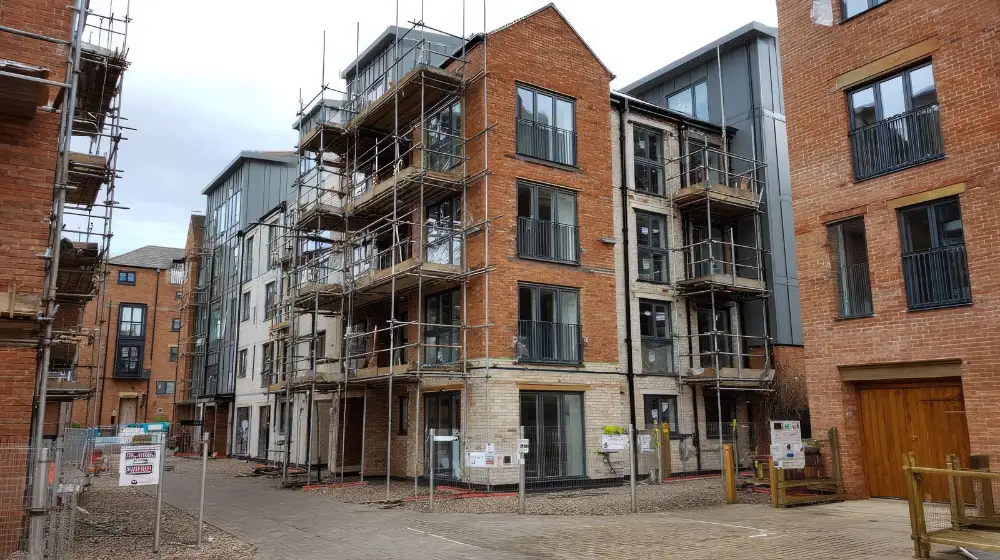
Reverse Improvement Exchange: Combining 1031 Strategies
Most investors who call us about advanced 1031 strategies are wrestling with one complication, not two. Every so often, someone finds a replacement property that
Read More

August 11, 2026
How Realtors Add Value in a 1031 Improvement Exchange
The call almost always starts the same way. A client sold a property, the exchange funds are sitting with the qualified intermediary, and nothing on
Read More
August 7, 2026
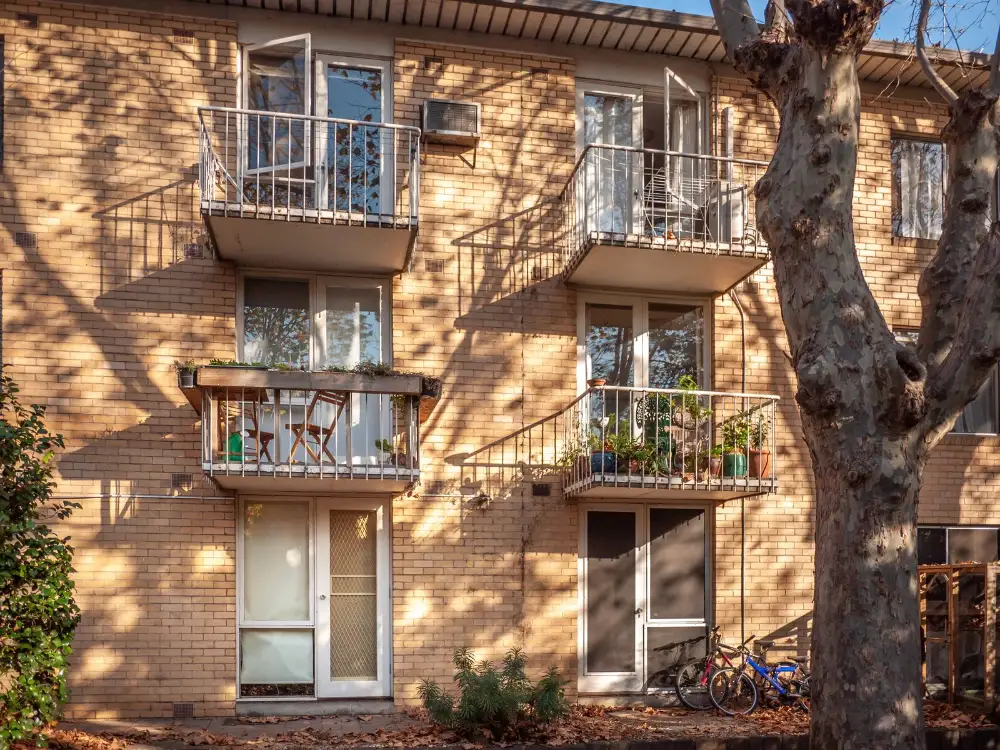
Case Study: Turning 12 Units Into 20 With an Improvement Exchange
When he called us, our client wasn't looking for a bigger version of the 12-unit apartment complex he'd just agreed to sell. He was looking
Read More
Get Started Today
It is easy to get started on your exchange. You can either call our office directly at 888-508-1901, or you can fill out our Start Your Exchange form.
Start Your Exchange