
Key Takeaways
- A reverse exchange lets investors buy the replacement property before selling their existing one, solving timing challenges that would otherwise trigger a taxable sale.
- An improvement exchange allows investors to use exchange funds to renovate or improve the replacement property before the exchange is completed.
- Both strategies are best suited for investors who need flexibility around timing, property upgrades, or market conditions preventing a traditional sequential exchange.
- These advanced exchange structures require a Qualified Intermediary and Exchange Accommodation Titleholder, adding complexity and cost compared to a standard 1031 exchange.
- Real estate agents who understand reverse and improvement exchanges provide significant value by helping clients identify when these strategies apply and connecting them with the right team.
Table of contents
Most real estate investors know the basics of a standard 1031 exchange: sell one property, buy another, and defer the taxes. But what happens when the timing doesn’t work out – or when investors want to use exchange funds to improve the replacement property? That’s where reverse and improvement exchanges come in. These advanced strategies give investors more control, but they also come with strict IRS rules and added complexity.
As a realtor, understanding strategies like these reverse and improvement exchanges helps you serve sophisticated investors and keeps deals from falling apart. This article explains how each strategy works, when to use them, and the steps to guide clients through the process.
What is a Reverse Exchange?
In a standard 1031 exchange, the investor sells their property first, then buys the replacement property. But sometimes the perfect replacement property comes on the market before the old property sells. A reverse exchange lets the investor buy first and sell later – solving the timing problem.
The IRS requires using an Exchange Accommodation Titleholder (EAT) to temporarily hold one of the properties since the investor can’t own both at the same time during the exchange. This structure adds cost and complexity but gives investors the flexibility to act quickly in competitive markets.
What is an Improvement Exchange?
An improvement exchange, sometimes called a build-to-suit exchange, allows investors to use exchange funds to improve or even build on the replacement property. This strategy works well when the property needs renovations or when investors want to construct a new building on vacant land.
Like reverse exchanges, these improvement exchanges use an EAT to hold title until improvements are complete. All work must be finished within the 180-day exchange period, and the property must be worth at least as much as the original by the end of the exchange.
When to Use Reverse or Improvement Exchanges
- Reverse exchanges: When the ideal replacement property becomes available before the old property sells.
- Improvement exchanges: When the investor wants to upgrade, renovate, or build on the replacement property.
- Both: When timing or property conditions make a standard exchange impractical, considering both reverse and improvement aspects can be beneficial.
Case Study: Tom’s Reverse Exchange Success
Tom owned a warehouse he planned to sell, but a perfect distribution center came on the market unexpectedly. Rather than risk losing it, Tom used a reverse exchange. The EAT held title to the new property while Tom sold his old warehouse. Once the sale closed, the exchange finished smoothly, and Tom deferred $300,000 in taxes.
Step-by-Step Guide
- Step 1: Hire a Qualified Intermediary and EAT experienced in complex exchanges.
- Step 2: For reverse exchanges, have the EAT take title to the new property until the old one sells.
- Step 3: For improvement exchanges, create a detailed construction plan before starting.
- Step 4: Complete all work and closings within the 180-day IRS window.
- Step 5: Document everything carefully for tax reporting purposes.
Risks and Challenges
- Higher costs due to EAT fees and legal complexity.
- Strict 180-day timeline for construction projects.
- Financing challenges since lenders may hesitate with EAT ownership.
- Risk of failed sale on the old property in reverse exchanges. This is often a challenge in both reverse and improvement exchanges.
Frequently Asked Questions
- Can I combine a reverse and improvement exchange? (Yes, but it’s very complex.)
- Do I need an EAT for every reverse or improvement exchange? (Yes, the IRS requires it.)
- Can I live in the property during construction? (No, it must be investment property.)
- What if I can’t finish improvements in 180 days? (The exchange may be disqualified.)
Pro Tips for Realtors
- Work with experienced Qualified Intermediaries and EAT providers.
- Start planning early to meet the 180-day deadline. Timing is crucial for the success of reverse and improvement exchanges.
- Communicate with lenders about EAT ownership structures.
- Help clients budget for additional costs upfront.
Disclaimer: This content is for informational purposes only and does not constitute legal or tax advice. Consult your tax advisor or attorney for advice specific to your situation.

Chris Peterson — Texas Licensed Attorney & Founder, WealthBuilder 1031
Chris is the Owner and President of WealthBuilder 1031 and a licensed Texas attorney. He graduated from Wheaton College and the University of Texas School of Law and speaks regularly to realtors, accountants, and title companies about 1031 exchanges. Learn more →
Have Questions?
Chat with one of our team members to see if a 1031 Exchange is right for you, (without committing to anything).
Video Resources

Case Studies
August 14, 2026
Reverse Improvement Exchange: Combining 1031 Strategies
Most investors who call us about advanced 1031 strategies are wrestling with one complication, not two. Every so often, someone finds a replacement property that
Read More

August 11, 2026
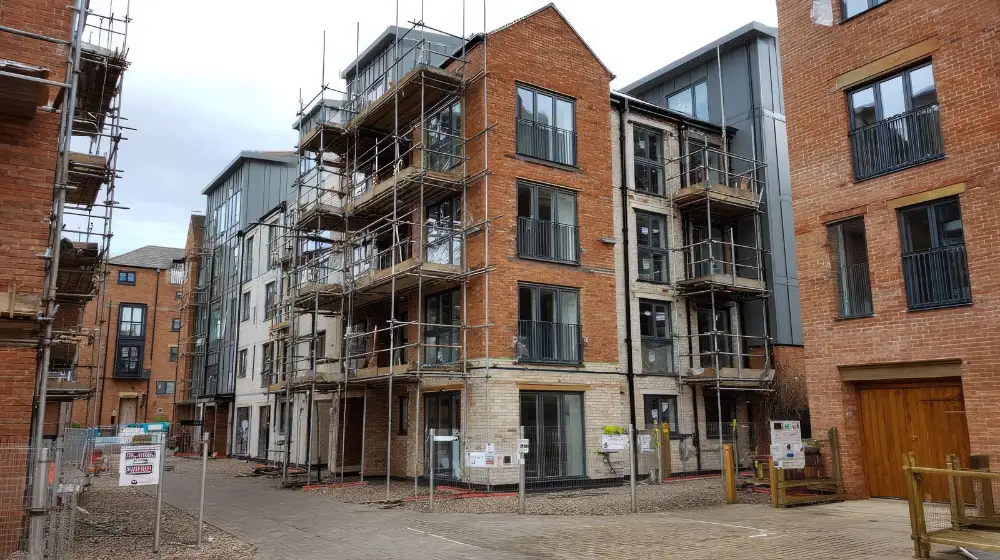
How Realtors Add Value in a 1031 Improvement Exchange
The call almost always starts the same way. A client sold a property, the exchange funds are sitting with the qualified intermediary, and nothing on
Read More
August 7, 2026
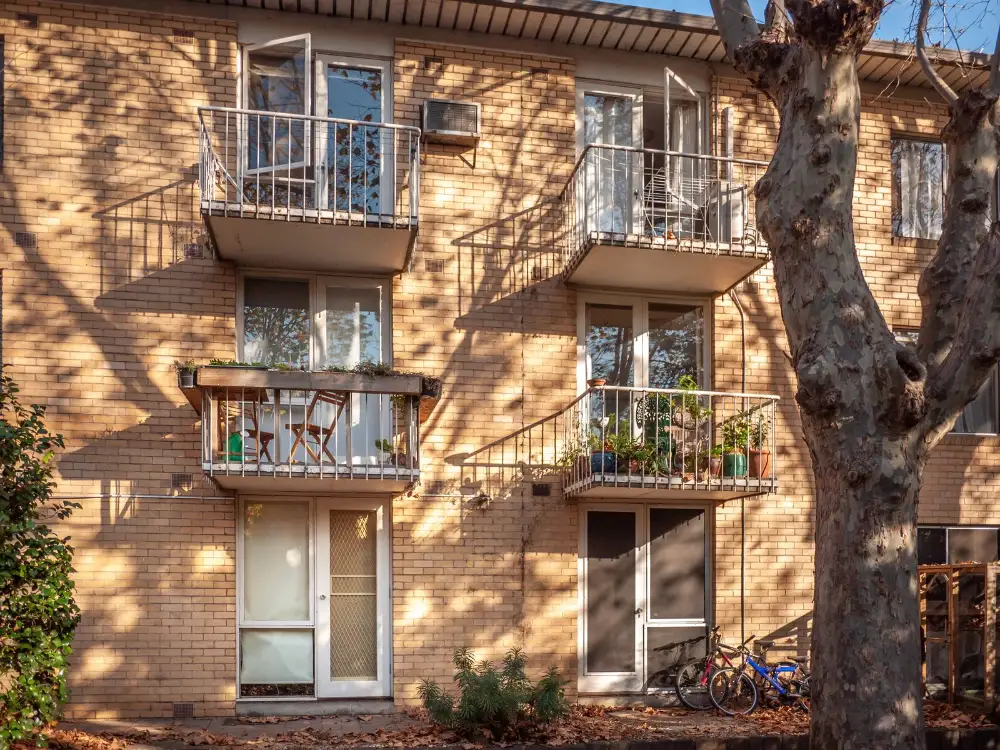
Case Study: Turning 12 Units Into 20 With an Improvement Exchange
When he called us, our client wasn't looking for a bigger version of the 12-unit apartment complex he'd just agreed to sell. He was looking
Read More
Get Started Today
It is easy to get started on your exchange. You can either call our office directly at 888-508-1901, or you can fill out our Start Your Exchange form.
Start Your Exchange