
Table of contents
- Step 1: Engage a Qualified Intermediary (QI) Before You Buy
- Step 2: Set Up the Exchange Accommodation Titleholder (EAT)
- Step 3: Acquire the Replacement Property
- Step 4: Identify the Relinquished Property Within 45 Days
- Step 5: Sell the Relinquished Property Within 180 Days
- Step 6: Transfer Title from the EAT to You
- Key Deadlines to Remember
- Common Investor Mistakes
- Final Thoughts
- Call to Action
Reverse 1031 exchanges give real estate investors a powerful tool: the ability to buy the replacement property first, sell later, and still defer capital gains taxes. This step-by-step guide walks you through the entire process – from engaging the Qualified Intermediary (QI) to completing the IRS-required transfer at the end of the 180‑day window. If you’ve ever lost a deal because you couldn’t wait for your sale to close, a reverse 1031 exchange may be the solution.
Step 1: Engage a Qualified Intermediary (QI) Before You Buy
You cannot start a reverse exchange after you’ve already closed on the replacement property. The QI must set up the structure before funds move. Your QI drafts the exchange documents, coordinates timelines, and handles IRS compliance. The QI also prepares the temporary title-holding entity, which makes the entire process possible.
Step 2: Set Up the Exchange Accommodation Titleholder (EAT)
Because IRS rules prevent an investor from owning both properties simultaneously in a reverse exchange, a special entity called an Exchange Accommodation Titleholder (EAT) holds title temporarily. The EAT is usually a single-purpose LLC owned by the QI. It takes title to either the property you’re buying or the property you’re selling – depending on which structure fits your situation.
Step 3: Acquire the Replacement Property
Once the EAT is established, you can move forward with the purchase. Most investors use:
- Cash reserves
- Portfolio loans
- HELOCs
- Private lending
- Hard money or bridge loans
Some lenders hesitate at first, but once they understand that the loan documents – promissory note, deed of trust, personal guarantees – remain intact, they usually approve without issue.
Step 4: Identify the Relinquished Property Within 45 Days
The moment the EAT acquires title to the replacement property, the clock begins. You have 45 days to identify the property (or properties) you intend to sell. Identification is typically easier in reverse exchanges because you already own the property you are selling. Investors list the specific address and provide it to the QI in writing.
Step 5: Sell the Relinquished Property Within 180 Days
You have up to 180 days from the date the replacement property is parked with the EAT to complete the sale of your relinquished property. When it closes, the sale proceeds go to the QI – not to you – and are used to repay the funds used to acquire the new property. This step preserves tax deferral and keeps the transaction IRS-compliant.
Step 6: Transfer Title from the EAT to You
Once the relinquished property sells and exchange funds are applied, the QI will instruct the EAT to transfer ownership of the replacement property to you. This usually happens through:
- A deed from the EAT to you, or
- A transfer of the LLC membership interest (if structured that way)
This final step completes the reverse 1031 exchange. Your tax professional will then report it on IRS Form 8824.
Key Deadlines to Remember
Reverse exchanges have strict nonnegotiable deadlines:
- 45 days to identify the property you plan to sell
- 180 days to complete the sale
There are no IRS extensions available – even if issues like repairs, inspections, or market conditions arise.
Common Investor Mistakes
Reverse exchanges are powerful, but investors should avoid common pitfalls:
- Waiting too long to contact a QI
- Assuming title is clean when it’s not
- Buying a replacement property that is lower in value than what you sell
- Missing the 45-day or 180-day deadlines
- Using lenders unfamiliar with reverse exchanges
Working with experienced professionals eliminates most of these issues.
Final Thoughts
A reverse 1031 exchange gives you the flexibility to secure high‑performing investment properties without losing tax advantages. Instead of waiting for your sale to close and risking the perfect deal slipping away, you can buy first, sell later, and keep your capital working. For investors who want speed, control, and tax efficiency, the reverse exchange is one of the most valuable tools available.
Call to Action
Talk to a Qualified Intermediary at WealthBuilder1031 to plan your reverse exchange. Use our free 1031 Deadline Calculator to track your timelines and protect your tax savings.
For more information, check out:
Have Questions?
Chat with one of our team members to see if a 1031 Exchange is right for you, (without committing to anything).
Video Resources

Case Studies
January 22, 2026
What Is a 1031 Exchange in Real Estate?
Introduction to 1031 Exchanges A 1031 exchange is one of the most powerful tools available to real estate investors. It allows you to sell investment
Read More
January 5, 2026
What Is a 1031 Real Estate Exchange?
Introduction to the 1031 Real Estate Exchange A 1031 real estate exchange allows investors to defer taxes when they sell an investment property and buy
Read More
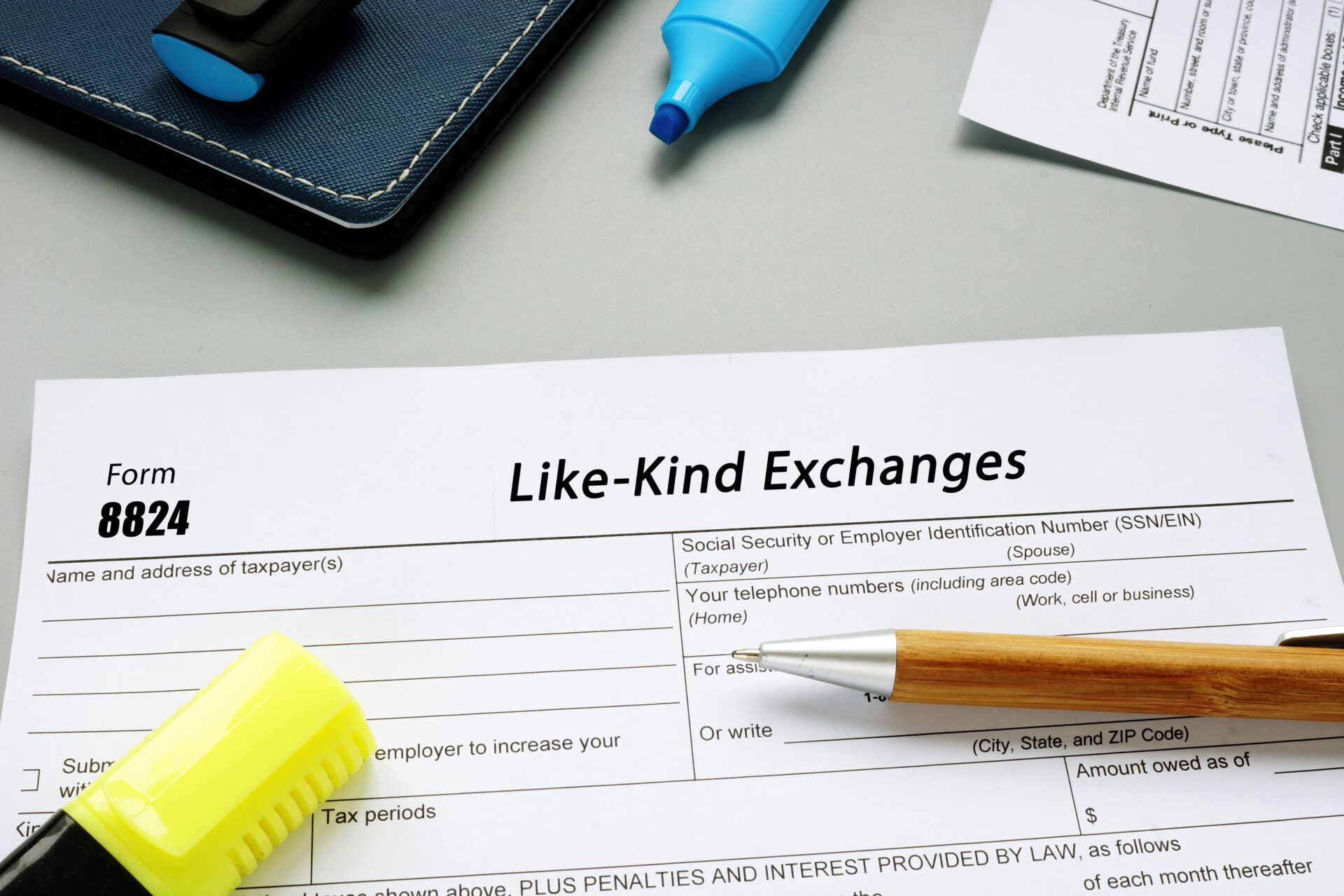
December 12, 2025
What Is a 1031 Tax Deferred Exchange?
Understanding the Basics of a 1031 Tax Deferred Exchange Many investors ask what a 1031 tax deferred exchange is and how it helps them grow
Read More
Get Started Today
It is easy to get started on your exchange. You can either call our office directly at 888-508-1901, or you can fill out our Start Your Exchange form.
Start Your Exchange